[Sign in](https://www.onedoc.ch/en/login)
- [Search](https://www.onedoc.ch/en/)
- [Sign in](https://www.onedoc.ch/en/login)
* * *
- [Cookies management](javascript:Didomi.preferences.show%28%29)
- [Privacy center](https://privacy.onedoc.ch/en/)
- [Help center](https://www.onedoc.ch)
* * *
- [I'm a healthcare professional](https://info.onedoc.ch/en/)
- [About us](https://info.onedoc.ch/en/our-mission/)
- [Health blog](https://myhealth.onedoc.ch/en/)
- [Press](https://info.onedoc.ch/en/media/)
- [Careers](https://career.onedoc.ch/en)
- [DE](https://www.onedoc.ch/de/medizinische-praxis/landquart/etrs/praxis-dr-med-monika-hurlimann)
- [FR](https://www.onedoc.ch/fr/cabinet-medical/landquart/etrs/praxis-dr-med-monika-hurlimann)
- [IT](https://www.onedoc.ch/it/studio-medico/landquart/etrs/praxis-dr-med-monika-hurlimann)
- [EN](https://www.onedoc.ch/en/medical-practice/landquart/etrs/praxis-dr-med-monika-hurlimann)
[OneDoc](https://www.onedoc.ch/en/ "Back to home")
- [Deutsch](https://www.onedoc.ch/de/medizinische-praxis/landquart/etrs/praxis-dr-med-monika-hurlimann)
- [Français](https://www.onedoc.ch/fr/cabinet-medical/landquart/etrs/praxis-dr-med-monika-hurlimann)
- [Italiano](https://www.onedoc.ch/it/studio-medico/landquart/etrs/praxis-dr-med-monika-hurlimann)
- [English](https://www.onedoc.ch/en/medical-practice/landquart/etrs/praxis-dr-med-monika-hurlimann)
- [Sign in](https://www.onedoc.ch/en/login)
- [I am a practitioner](https://info.onedoc.ch/en/)
- [*help\_outline*Help center](https://www.onedoc.ch)
#### Help center
close

## Frequently asked questions
My accountBook appointmentVideo consultationsMobile applicationMy appointments
- [Impossible to create my OneDoc account](https://help.onedoc.ch/en/impossible-to-create-my-onedoc-account) *open\_in\_new*
- [Reset my password](https://help.onedoc.ch/en/reset-my-password) *open\_in\_new*
- [Reset my OneDoc account email address](https://help.onedoc.ch/en/reset-my-onedoc-account-email-address) *open\_in\_new*
- [Book an appointment with your doctor/therapist](https://help.onedoc.ch/en/book-an-appointment-with-your-doctor/therapist) *open\_in\_new*
- [Book an appointment by specialty](https://help.onedoc.ch/en/book-an-appointment-by-specialty) *open\_in\_new*
- [Book an appointment for someone else](https://help.onedoc.ch/en/book-an-appointment-for-someone-else) *open\_in\_new*
- [What is a OneDoc video consultation?](https://help.onedoc.ch/en/how-does-the-video-consultation-work) *open\_in\_new*
- [How to book an appointment for a video consultation?](https://help.onedoc.ch/en/search-for-remote-appointments) *open\_in\_new*
- [Download the OneDoc app](https://help.onedoc.ch/en/download-the-onedoc-app) *open\_in\_new*
- [Navigate the OneDoc app](https://help.onedoc.ch/en/navigate-the-onedoc-app) *open\_in\_new*
- [OneDoc app presentation](https://help.onedoc.ch/en/onedoc-app-presentation) *open\_in\_new*
- [Check if an appointment is confirmed](https://help.onedoc.ch/en/check-if-an-appointment-is-confirmed) *open\_in\_new*
- [Cancel an appointment booked online on OneDoc](https://help.onedoc.ch/en/cancel-an-appointment-booked-online-on-onedoc) *open\_in\_new*
- [I didn't receive my appointment confirmation](https://help.onedoc.ch/en/i-didnt-receive-my-appointment-confirmation) *open\_in\_new*
[See all our articles *open\_in\_new*](https://help.onedoc.ch/en/)
# Praxis Dr. med. Monika Hürlimann 
## Medical practice
Map
Presentation
Team

### Video consultations
Praxis Dr. med. Monika Hürlimann offers video consultations

### Accepted patients
Praxis Dr. med. Monika Hürlimann accepts new patients

### Specialties
Psychiatry
Psychotherapy
[*arrow\_drop\_down*View more](https://www.onedoc.ch)

### Map and access information
#### Praxis Dr. med. Monika Hürlimann
Montalinstrasse 3
7302 Landquart
#### Website
[View the website *open\_in\_new*](https://praxishuerlimann.ch/)

### Presentation of the institution
## The practice of Dr. med. Monika Hürlimann welcomes you!
PSYCHIATRY
is a medical discipline
- deals with the [recognition, diagnosis and treatment](http://praxishuerlimann.ch/?page_id=301) of mental illnesses. Serious therapy always includes the prevention of further episodes of illness.
- It takes into account all areas of the patient's life.
The most important goals are to improve the quality of life, i.e. possibly the way in which the [illness](http://praxishuerlimann.ch/?page_id=301) is dealt with, and to prevent future relapses. Comprehensive, individualized treatment based on the individual's living conditions helps to achieve this.
SUB-AREAS OF PSYCHIATRY:
- Biological-scientific - interaction of psychosocial and biological factors on the individual.
- [Psychopathology](http://praxishuerlimann.ch/?page_id=301) deals with the forms of a (pathologically) altered emotional or mental life. This involves the study of the causes and processes in the development of mental illnesses and the description of their symptoms and manifestations.
- Biological psychiatry is a collective term for psychiatric research approaches that are based on biological methods. These include neuroanatomical, neuropathological, neurophysiological, biochemical and genetic approaches.
- Psychopharmacology and psychopharmacotherapy: influencing the mental or emotional state through medication.
- Military psychiatry: mental disorders within military constellations with the aim of ensuring the health of as many military personnel as possible, as well as the identification and treatment of military personnel deemed unfit as a result of mental illness.
- [Addiction medicine](http://praxishuerlimann.ch/?page_id=301): substance-related (alcohol, nicotine, cannabis, heroin, etc.) or non-substance-related (gambling addiction, etc.) abuse or dependency.
- Geriatric psychiatry: psychiatry for people in old age
- Forensic psychiatry: Treatment and assessment of mentally ill and addicted persons with criminal convictions (see also treatment of offenders under -> [FORENSICS](http://praxishuerlimann.ch/?page_id=39)).
- Psychosomatics: Diseases with interactions between mental and physical factors
- Transcultural psychiatry: mental disorders resulting from cultural differences
PSYCHOLOGY
Psychology is an independent empirical science, while psychiatry is a branch of medicine. It deals with human experience and [behavior](http://praxishuerlimann.ch/?page_id=32), its development and the internal and external causes and conditions that are decisive for this. The psychologist is often (usually) also a psychotherapist.
OTHER SERVICES:
- [Consultations](http://praxishuerlimann.ch/leiden-sie-an/) with other doctors, insurance companies, hospitals, clinics
- Second opinion
- Advice for partners and relatives
- Supervision of psychotherapists, social workers, care teams and other psychiatrists
- Cognitive-behavioral therapy self-awareness for psychotherapists
- [Forensic](https://praxishuerlimann.ch/?page_id=39) supervision of experts and therapists
- Coaching of women in leading positions
- Advice for authorities, such as the Office of Corrections of the Canton of Graubünden, probation services, child and adult protection authorities (KESB), professional guardianships
- Presentations for doctors, interest groups, hospitals, clinics, homes, companies
- Further training seminars on forensic topics, e.g. legal prognosis, assessment
- Seminars on stress management
KNOW-HOW:
We are guided by modern and recognized scientific treatment methods. Through continuous further training (attending congresses, seminars, workshops and conferences as well as studying specialist literature) we are and remain up to date and compare our own therapeutic work and attitude with other practitioners.
OUR ATTITUDE:
We adhere strictly and absolutely to the prescribed professional confidentiality.
With a positive attitude, we promote the patient's existing favorable abilities, views and experiences.
We recognize the patient's limitations, uncertainties and questions.
We are aware of each person's capacity for development and encourage it.
We make therapeutic and human experience and theoretical knowledge based on scientific findings available to the patient. Together with them, we support their search for suitable solutions and strategies to deal with their problems.
We promote the individual's own potential with therapeutic support that is tailored to their style, abilities and goals. The therapeutic encounter and support helps to initiate and implement beneficial and meaningful changes and integrate them into everyday life.
COSTS AND DURATION OF TREATMENT:
The treatment / consultation (psychiatric, psychotherapeutic, medical-medical) is covered by the compulsory basic insurance of every Swiss health insurance company.
IMPORTANT INFORMATION:
NO NEW, LONG-TERM TREATMENTS CAN BE PERFORMED AT THIS TIME!
POSSIBLE are ONE-TIME ASSESSMENTS, ADJUSTMENT OF MEDICATION, so-called CONSILIES as well as SECONDARY OPINIONS and ASSESSMENTS for the attention of insurance companies.
However, patients who were previously treated here can contact us at any time (preferably by e-mail [huerlimann@praxishuerlimann.ch)](mailto:huerlimann@praxishuerlimann.ch).
[*arrow\_drop\_down*View more](https://www.onedoc.ch)
[](https://assets.onedoc.ch/images/entities/1fe899173af2151c97bc9b7530711a270001ed84e549040a87574b8db4f50266.jpg)

### Team
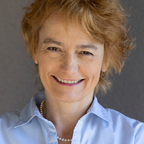
Psychiatrist
[
\
__Dr. med. Dr. med. Monika Hürlimann__](https://www.onedoc.ch/en/psychiatrist/landquart/p9mk/dr-med-dr-med-monika-hurlimann)

### FAQ
*expand\_more*
*keyboard\_arrow\_right*
## What is the address of Praxis Dr. med. Monika Hürlimann?
Praxis Dr. med. Monika Hürlimann receives patients at Montalinstrasse 3, 7302 Landquart.
* * *
*keyboard\_arrow\_right*
## What is Praxis Dr. med. Monika Hürlimann's website?
You can access the website of Praxis Dr. med. Monika Hürlimann at [https://praxishuerlimann.ch/ *open\_in\_new*](https://praxishuerlimann.ch/) .
* * *
*keyboard\_arrow\_right*
## What is Praxis Dr. med. Monika Hürlimann's phone number?
The phone number of Praxis Dr. med. Monika Hürlimann is [081 330 63 03](tel:+41813306303).
* * *
*keyboard\_arrow\_right*
## What are the specialties practiced at Praxis Dr. med. Monika Hürlimann?
Praxis Dr. med. Monika Hürlimann offers consultations of [Psychiatry](https://www.onedoc.ch/en/psychiatrist/landquart) and [Psychotherapy](https://www.onedoc.ch/en/psychotherapist/landquart).
* * *
*keyboard\_arrow\_right*
## Does Praxis Dr. med. Monika Hürlimann accept new patients?
Yes, Praxis Dr. med. Monika Hürlimann accepts new patients. New patients can easily book appointments online via OneDoc.
* * *
*keyboard\_arrow\_right*
## Does Praxis Dr. med. Monika Hürlimann offer video consultations?
Yes, Praxis Dr. med. Monika Hürlimann offers video consultations. To book a video consultation, simply go to OneDoc, where you can choose a time slot that suits your schedule.
* * *
*keyboard\_arrow\_right*
## What languages are spoken at Praxis Dr. med. Monika Hürlimann?
Praxis Dr. med. Monika Hürlimann offers consultations in German.
1. [OneDoc](https://www.onedoc.ch/en/)/
2. [Medical practice](https://www.onedoc.ch/en/medical-practice)/
3. [Canton of Graubünden](https://www.onedoc.ch/en/medical-practice/canton-of-graubunden)/
4. [Landquart](https://www.onedoc.ch/en/medical-practice/landquart)/
5. Praxis Dr. med. Monika Hürlimann
### Book your appointment with Praxis Dr. med. Monika Hürlimann
Fill in the below information
*check*
Specialty
Psychiatry
Psychiatry
Select a specialty
* * *
2
New patient?
I'm a new patient
I'm an established patient in the practice for this specialty
* * *
*touch\_app*
Pick a time slot
*chevron\_left*
Mon
15 Jun
*chevron\_right*
View more appointments
Time slot
Book appointment
### Download the OneDoc app
Book an appointment online with a doctor, dentist, or therapist near you in Switzerland. The OneDoc app lets you manage all your medical appointments from your smartphone, anytime and anywhere.
Scan the QR code to download the app
[](https://apps.apple.com/ch/app/onedoc/id1592376413?l=fr)[](https://play.google.com/store/apps/details?id=ch.onedoc.patient&hl=fr-CH)
*keyboard\_arrow\_right*
## Related searches
[Psychiatrist in Buchs SG](https://www.onedoc.ch/en/psychiatrist/buchs?state=SG)[Psychiatrist in Landquart](https://www.onedoc.ch/en/psychiatrist/landquart)[Psychotherapist in Landquart](https://www.onedoc.ch/en/psychotherapist/landquart)
*keyboard\_arrow\_right*
## Popular searches
[Medical practice in Chur](https://www.onedoc.ch/en/medical-practice/chur)[Medical practice in Ilanz](https://www.onedoc.ch/en/medical-practice/ilanz)[Medical practice in Saint Moritz](https://www.onedoc.ch/en/medical-practice/saint-moritz)[Medical practice in Landquart](https://www.onedoc.ch/en/medical-practice/landquart)[Medical practice in Davos Platz](https://www.onedoc.ch/en/medical-practice/davos-platz)[Medical practice in Thusis](https://www.onedoc.ch/en/medical-practice/thusis)[Medical practice in Scuol](https://www.onedoc.ch/en/medical-practice/scuol)[Medical practice in Poschiavo](https://www.onedoc.ch/en/medical-practice/poschiavo)[Medical practice in Samedan](https://www.onedoc.ch/en/medical-practice/samedan)[Medical practice in Grono](https://www.onedoc.ch/en/medical-practice/grono)[Medical practice in Disentis/Mustér](https://www.onedoc.ch/en/medical-practice/disentis-muster)[Medical practice in Schiers](https://www.onedoc.ch/en/medical-practice/schiers)[Medical practice in Klosters](https://www.onedoc.ch/en/medical-practice/klosters)[Medical practice in Trun](https://www.onedoc.ch/en/medical-practice/trun)[Medical practice in Trimmis](https://www.onedoc.ch/en/medical-practice/trimmis)[Medical practice in Zuoz](https://www.onedoc.ch/en/medical-practice/zuoz)[Medical practice in Domat/Ems](https://www.onedoc.ch/en/medical-practice/domat-ems)[Medical practice in Untervaz](https://www.onedoc.ch/en/medical-practice/untervaz)[Medical practice in Promontogno](https://www.onedoc.ch/en/medical-practice/promontogno)[Medical practice in Grüsch](https://www.onedoc.ch/en/medical-practice/grusch)[Medical practice in Flims Dorf](https://www.onedoc.ch/en/medical-practice/flims-dorf)
*keyboard\_arrow\_right*
## Find an institution
[Medical practice](https://www.onedoc.ch/en/medical-practice)[Medical center](https://www.onedoc.ch/en/medical-center)[Group practice](https://www.onedoc.ch/en/group-practice)[Dental practice](https://www.onedoc.ch/en/dental-practice)[Pharmacy](https://www.onedoc.ch/en/pharmacy)[Osteopathy practice](https://www.onedoc.ch/en/osteopathy-practice)[Physiotherapy practice](https://www.onedoc.ch/en/physiotherapy-practice)[Medical group](https://www.onedoc.ch/en/medical-group)[Dental clinic](https://www.onedoc.ch/en/dental-clinic)[Health center](https://www.onedoc.ch/en/health-center)[Optical store](https://www.onedoc.ch/en/optical-store)[Hearing aid store](https://www.onedoc.ch/en/hearing-aid-store)[Clinic](https://www.onedoc.ch/en/clinic)[Hospital](https://www.onedoc.ch/en/hospital)[Medical and dental center](https://www.onedoc.ch/en/medical-and-dental-center)[Care center](https://www.onedoc.ch/en/care-center)[Medical laboratory](https://www.onedoc.ch/en/medical-laboratory)[Alternative medicine practice](https://www.onedoc.ch/en/alternative-medicine-practice)[Medical imaging center](https://www.onedoc.ch/en/medical-imaging-center)
*keyboard\_arrow\_right*
## Find practitioners
[Practitioners directory](https://www.onedoc.ch/en/directory)
[A](https://www.onedoc.ch/en/directory/A)
[B](https://www.onedoc.ch/en/directory/B)
[C](https://www.onedoc.ch/en/directory/C)
[D](https://www.onedoc.ch/en/directory/D)
[E](https://www.onedoc.ch/en/directory/E)
[F](https://www.onedoc.ch/en/directory/F)
[G](https://www.onedoc.ch/en/directory/G)
[H](https://www.onedoc.ch/en/directory/H)
[I](https://www.onedoc.ch/en/directory/I)
[J](https://www.onedoc.ch/en/directory/J)
[K](https://www.onedoc.ch/en/directory/K)
[L](https://www.onedoc.ch/en/directory/L)
[M](https://www.onedoc.ch/en/directory/M)
[N](https://www.onedoc.ch/en/directory/N)
[O](https://www.onedoc.ch/en/directory/O)
[P](https://www.onedoc.ch/en/directory/P)
[Q](https://www.onedoc.ch/en/directory/Q)
[R](https://www.onedoc.ch/en/directory/R)
[S](https://www.onedoc.ch/en/directory/S)
[T](https://www.onedoc.ch/en/directory/T)
[U](https://www.onedoc.ch/en/directory/U)
[V](https://www.onedoc.ch/en/directory/V)
[W](https://www.onedoc.ch/en/directory/W)
[X](https://www.onedoc.ch/en/directory/X)
[Y](https://www.onedoc.ch/en/directory/Y)
[Z](https://www.onedoc.ch/en/directory/Z)
## OneDoc
[I'm a healthcare professional](https://info.onedoc.ch/en/)
[About us](https://info.onedoc.ch/en/our-mission/)
[Press](https://info.onedoc.ch/en/media/)
[Careers](https://career.onedoc.ch/en)
[Health blog](https://myhealth.onedoc.ch/en/)
[Privacy center](https://privacy.onedoc.ch/en/)
[Cookies management](javascript:Didomi.preferences.show%28%29)
[Help center](https://help.onedoc.ch/en/)
## Languages
[Deutsch](https://www.onedoc.ch/de/medizinische-praxis/landquart/etrs/praxis-dr-med-monika-hurlimann)
[Français](https://www.onedoc.ch/fr/cabinet-medical/landquart/etrs/praxis-dr-med-monika-hurlimann)
[Italiano](https://www.onedoc.ch/it/studio-medico/landquart/etrs/praxis-dr-med-monika-hurlimann)
[English](https://www.onedoc.ch/en/medical-practice/landquart/etrs/praxis-dr-med-monika-hurlimann)
## Related searches
[Psychiatrist in Buchs SG](https://www.onedoc.ch/en/psychiatrist/buchs?state=SG)
[Psychiatrist in Landquart](https://www.onedoc.ch/en/psychiatrist/landquart)
[Psychotherapist in Landquart](https://www.onedoc.ch/en/psychotherapist/landquart)
## Popular searches
[Medical practice in Chur](https://www.onedoc.ch/en/medical-practice/chur)
[Medical practice in Ilanz](https://www.onedoc.ch/en/medical-practice/ilanz)
[Medical practice in Saint Moritz](https://www.onedoc.ch/en/medical-practice/saint-moritz)
[Medical practice in Landquart](https://www.onedoc.ch/en/medical-practice/landquart)
[Medical practice in Davos Platz](https://www.onedoc.ch/en/medical-practice/davos-platz)
[Medical practice in Thusis](https://www.onedoc.ch/en/medical-practice/thusis)
[Medical practice in Scuol](https://www.onedoc.ch/en/medical-practice/scuol)
[Medical practice in Poschiavo](https://www.onedoc.ch/en/medical-practice/poschiavo)
[Medical practice in Samedan](https://www.onedoc.ch/en/medical-practice/samedan)
[Medical practice in Grono](https://www.onedoc.ch/en/medical-practice/grono)
[Medical practice in Disentis/Mustér](https://www.onedoc.ch/en/medical-practice/disentis-muster)
[Medical practice in Schiers](https://www.onedoc.ch/en/medical-practice/schiers)
[Medical practice in Klosters](https://www.onedoc.ch/en/medical-practice/klosters)
[Medical practice in Trun](https://www.onedoc.ch/en/medical-practice/trun)
[Medical practice in Trimmis](https://www.onedoc.ch/en/medical-practice/trimmis)
[Medical practice in Zuoz](https://www.onedoc.ch/en/medical-practice/zuoz)
[Medical practice in Domat/Ems](https://www.onedoc.ch/en/medical-practice/domat-ems)
[Medical practice in Untervaz](https://www.onedoc.ch/en/medical-practice/untervaz)
[Medical practice in Promontogno](https://www.onedoc.ch/en/medical-practice/promontogno)
[Medical practice in Grüsch](https://www.onedoc.ch/en/medical-practice/grusch)
[Medical practice in Flims Dorf](https://www.onedoc.ch/en/medical-practice/flims-dorf)
## Find an institution
[Medical practice](https://www.onedoc.ch/en/medical-practice)
[Medical center](https://www.onedoc.ch/en/medical-center)
[Group practice](https://www.onedoc.ch/en/group-practice)
[Dental practice](https://www.onedoc.ch/en/dental-practice)
[Pharmacy](https://www.onedoc.ch/en/pharmacy)
[Osteopathy practice](https://www.onedoc.ch/en/osteopathy-practice)
[Physiotherapy practice](https://www.onedoc.ch/en/physiotherapy-practice)
[Medical group](https://www.onedoc.ch/en/medical-group)
[Dental clinic](https://www.onedoc.ch/en/dental-clinic)
[Health center](https://www.onedoc.ch/en/health-center)
[Optical store](https://www.onedoc.ch/en/optical-store)
[Hearing aid store](https://www.onedoc.ch/en/hearing-aid-store)
[Clinic](https://www.onedoc.ch/en/clinic)
[Hospital](https://www.onedoc.ch/en/hospital)
[Medical and dental center](https://www.onedoc.ch/en/medical-and-dental-center)
[Care center](https://www.onedoc.ch/en/care-center)
[Medical laboratory](https://www.onedoc.ch/en/medical-laboratory)
[Alternative medicine practice](https://www.onedoc.ch/en/alternative-medicine-practice)
[Medical imaging center](https://www.onedoc.ch/en/medical-imaging-center)
[](https://facebook.com/onedoc.ch/)[](https://linkedin.com/company/onedoc.ch/)[](https://www.instagram.com/onedoc.ch/)[](https://twitter.com/OneDoc_ch)[](https://www.youtube.com/channel/UCWnlE63em_m8ZioBA5n8Z6w)
Find practitioners
[Practitioners directory](https://www.onedoc.ch/en/directory)[A](https://www.onedoc.ch/en/directory/a)[B](https://www.onedoc.ch/en/directory/b)[C](https://www.onedoc.ch/en/directory/c)[D](https://www.onedoc.ch/en/directory/d)[E](https://www.onedoc.ch/en/directory/e)[F](https://www.onedoc.ch/en/directory/f)[G](https://www.onedoc.ch/en/directory/g)[H](https://www.onedoc.ch/en/directory/h)[I](https://www.onedoc.ch/en/directory/i)[J](https://www.onedoc.ch/en/directory/j)[K](https://www.onedoc.ch/en/directory/k)[L](https://www.onedoc.ch/en/directory/l)[M](https://www.onedoc.ch/en/directory/m)[N](https://www.onedoc.ch/en/directory/n)[O](https://www.onedoc.ch/en/directory/o)[P](https://www.onedoc.ch/en/directory/p)[Q](https://www.onedoc.ch/en/directory/q)[R](https://www.onedoc.ch/en/directory/r)[S](https://www.onedoc.ch/en/directory/s)[T](https://www.onedoc.ch/en/directory/t)[U](https://www.onedoc.ch/en/directory/u)[V](https://www.onedoc.ch/en/directory/v)[W](https://www.onedoc.ch/en/directory/w)[X](https://www.onedoc.ch/en/directory/x)[Y](https://www.onedoc.ch/en/directory/y)[Z](https://www.onedoc.ch/en/directory/z)
[](https://www.swissmadesoftware.org)

Copyright © 2026 OneDoc SA
Psychiatry